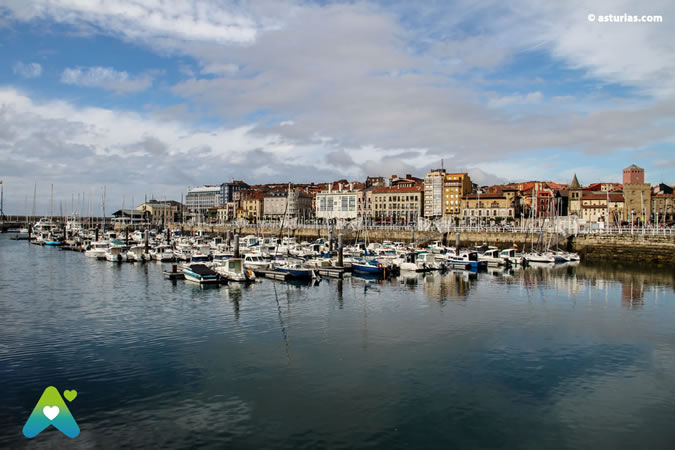
Within Asturian cuisine, Gijón holds a prominent position, whether for its signature dishes or its distinctive maritime influence on the preparation of the Principality's most traditional dishes. Undoubtedly, Gijón's gastronomy finds its primary source of inspiration, and its raw materials, in the Cantabrian Sea that washes its shores, with fish and seafood being its culinary stars.
When we sit down at the table of their restaurants , with good tablecloths and a service professionalized for decades, we continue to find on the menus that the fruit of fishing and shellfish gathering is the most repeated: fried monkfish, hake or cod, fish and shellfish soups, pulpu con patatines : a stew in which the pulpín de pedréu (small rock octopus) reaches a splendid flavor over low heat; chipirones afogaos ("drowned", because they are cooked with the lid on).
And those two exquisite species such as the scorpionfish and the monkfish , cooked in a marmita (fish stew); or the indisputable specialty of bonito belly , a summer dish that originated in the fishing neighborhood of Cimadevilla; typical of summer are also the squid caught by hook and line; and we do not forget the monkfish with lobster, the fried or grilled red mullet and a long etcetera of recipes enriched almost always with clams and spider crabs, and with no more seasonings than the basics: garlic, onion, olive oil, parsley, paprika, white wine and little else.
There is also plenty of seafood that can be eaten with no more preparation than a good cooking: prawns, langoustines, barnacles, razor clams, spider crabs, scallops , the popular limpets and especially sea urchins, one of the greatest gastronomic pleasures that the sea offers and that in Gijón have been enjoying since the beginning of time.
Everything makes our mouths water, and from fishmongers and fishmongers, the flavors spill over onto the counters, bars, and tables of the restaurant industry, a sector of almost paramount importance in Gijón. Poaching, stewing, blanching, confiting —a delicious vocabulary born in the kitchen, which in this city finds its own dialect, enriching the repertoire of Asturian cuisine, which is practically universally praised by everyone who experiences it.
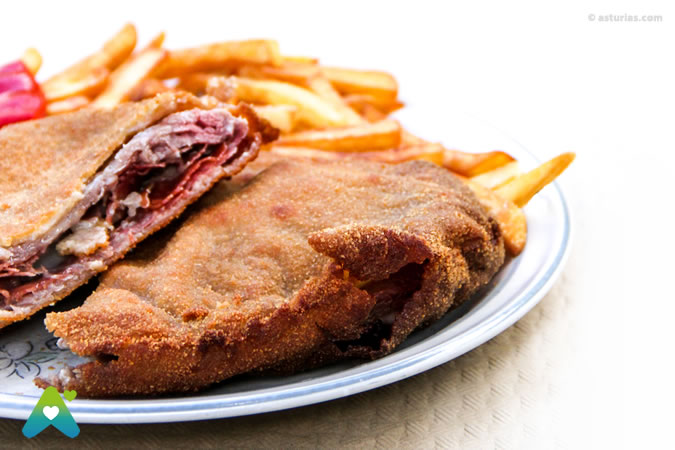
But in addition to seafood, Gijón's restaurants also feature local produce, including classic stews, vegetable dishes, rice dishes, and bean stews, as well as recipes with Asturian beef, and a wide variety of desserts and pastries. Among these, the Charlota stands out—a cake made with a sponge base and filling, chocolate, candied cherries, and a long list of other ingredients—as does the Tarta Gijonesa, a generic dessert that combines almonds and nougat, among other things. And let's not forget other renowned Asturian desserts such as rice pudding, apple tarts, frixuelos (Asturian crepes), casadielles (sweet pastries), and hazelnut cakes.
Asturian recipe books
If you want to know Asturian cuisine or where to eat well, we recommend you buy the book "Recipes to love Asturias" and "Les fartures", two interesting and very well documented books.


Gijón's picnic areas and snack bars
In recent decades, Gijón's gastronomy has been enriched by a popular way of enjoying food, a tradition that has always been essential to Asturian culture. These "espichas" combine festivity or celebration, good food based on pintxos (small snacks), abundant appetizers, and plenty of cider, which on these occasions is usually served from the barrel or cask rather than the bottle.
Fried foods, chorizo, tortillas, sausages and cured meats, boiled eggs, and much more are laid out on the long tables of a llagar (the equivalent, one might say, of a wine cellar), where barrels and large spaces abound. However, it wouldn't be entirely objective to equate llagares with "simple" food, since many of them now offer all kinds of menus, and some even host wedding banquets.
Near the Labor University, also close to the Botanical Garden, more specifically between the areas known as La Magdalena and Los Maizales, there are numerous picnic areas, several cider factories, and cider presses . In the parishes of Cabueñes, Cefontes, and Castiello , where the landscape becomes fully rural, with meadows, hedgerows, and farmhouses surrounded by fruit trees, these Gijón cider presses are found in their highest concentration.
Gastronomic events in Gijón
Throughout the year there are various events and initiatives that bring together Gijón residents and visitors around the table. We will tell you about some of them.
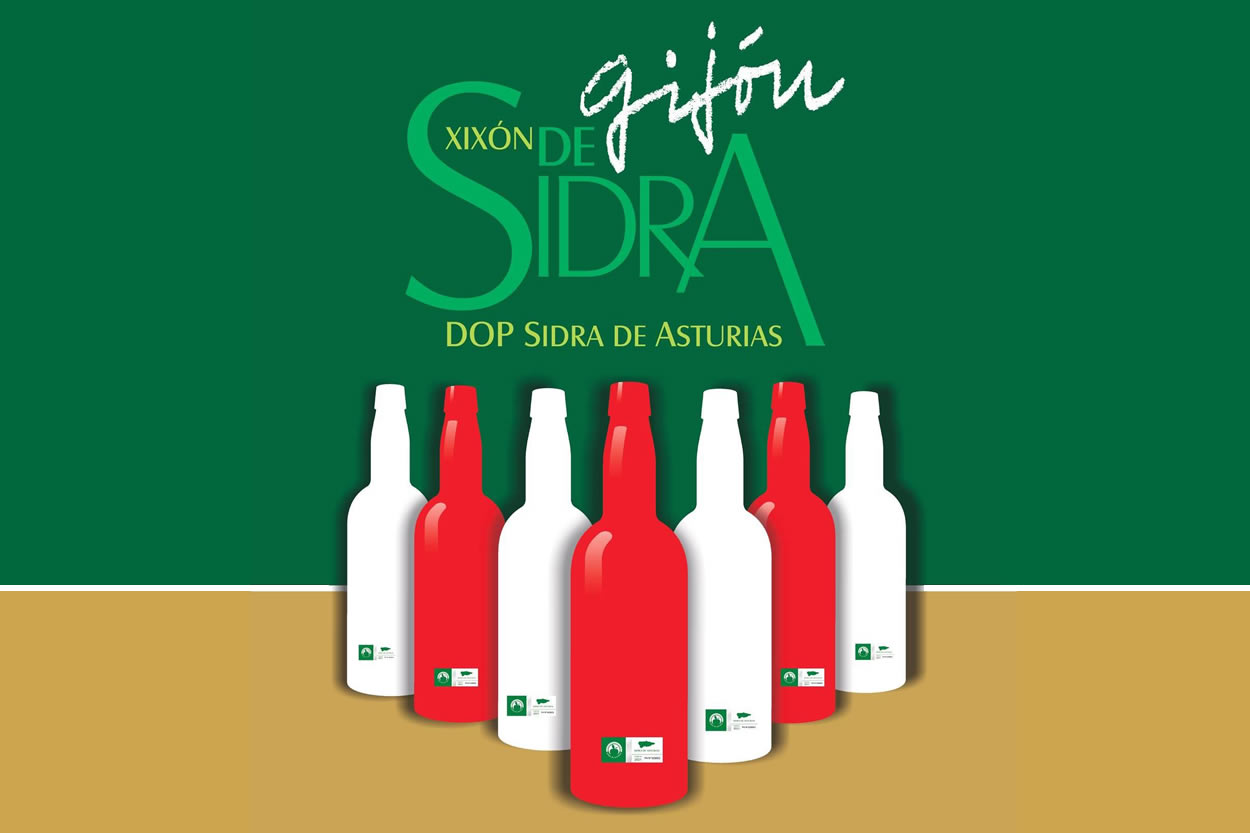
Gijón de Sidras 2026
Make room in your schedules… Read more

Gijón de pinchos 2026
From the 15th to the 24th of… Read more
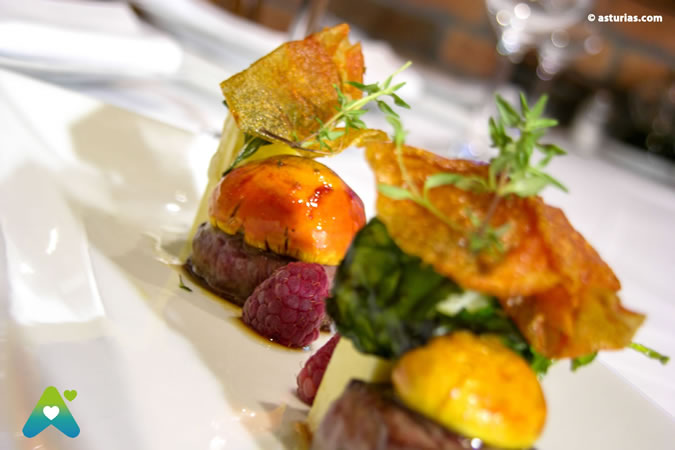
«Gijón Gourmet» offers traditional cuisine with modern touches in which flavour and raw materials are the most important elements.
Gijón Gastronómico
Within Asturian cuisine, … Read more
Text: © Ramón Molleda for asturias.com