How to get to Ribadedeva
The N-634 road crosses the municipality from west to east. It enters Cantabria via the Bustio-Unquera bridge over the Deva River, where it connects with the N-621 which leads to Panes.
Distances Ribadedeva
Oviedo, 120 km. // Llanes, 21 km.
History Ribadedeva
The council area contains abundant Paleolithic remains and cave paintings , as well as remnants of Asturian and Neolithic settlements. During the Neolithic period, the area was inhabited by the Orgenomesci, a Cantabrian people. During the Roman era, these lands came under the administrative jurisdiction of Clunia (Burgos).
In the High Middle Ages, Ribadedeva and Llanes formed part of the so-called Premoriense province . The remains of the Santa María de Tina monastery are a clear example of this. The necropolis located there indicates that it was used as a cemetery before the construction of the 13th-century building that now lies in ruins.
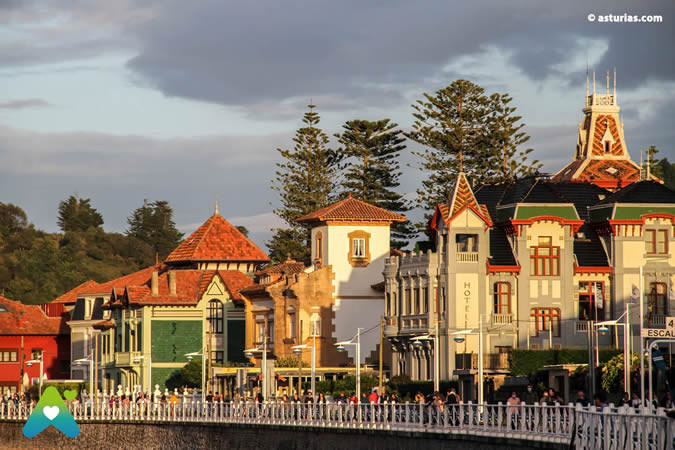
In the mid-19th century, Ribadedeva experienced a wave of mass emigration to the Americas. The Archivo de Indianos (Archive of the Indianos), located in Colombres, is the best resource for understanding this period and the causes and consequences of this emigration. The municipality is dotted with the mansions built by Asturians who returned to the region, notable for their unique architectural style, unlike anything else on the Cantabrian coast. The Archivo de Indianos in Colombres is a key resource for understanding this social phenomenon.
What to see in Ribadedeva
Archives of Indians
Asturian emigration to America at the end of the 19th and beginning of the 20th centuries was quite a phenomenon … Read more
Beach of La Franca
La Franca beach is located near the town of the same name, at the mouth of the river… Read more
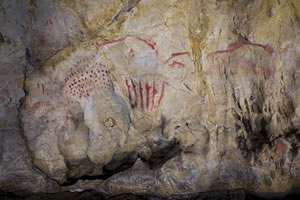
Cueva del Pindal, a rock sanctuary
A great deal of time has passed since prehistory first appeared in the lands of present-day Ribadedeva, so much so that… Read more
Excursions Ribadedeva
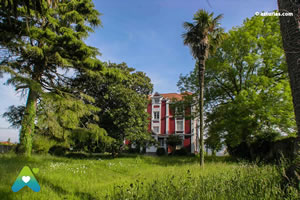
Route of the indianos' houses
Monumental facades, ornate gates, galleries, courtyards, balconies, dreamlike doorways, chapels… Read more
Coastline and pedestrian path of Bustio-La Franca.
Ribadedeva festivities
One of the most colorful and bustling fairs held in Colombres at the beginning of summer is the Indianos Fair , which commemorates the emigrants of the municipality.
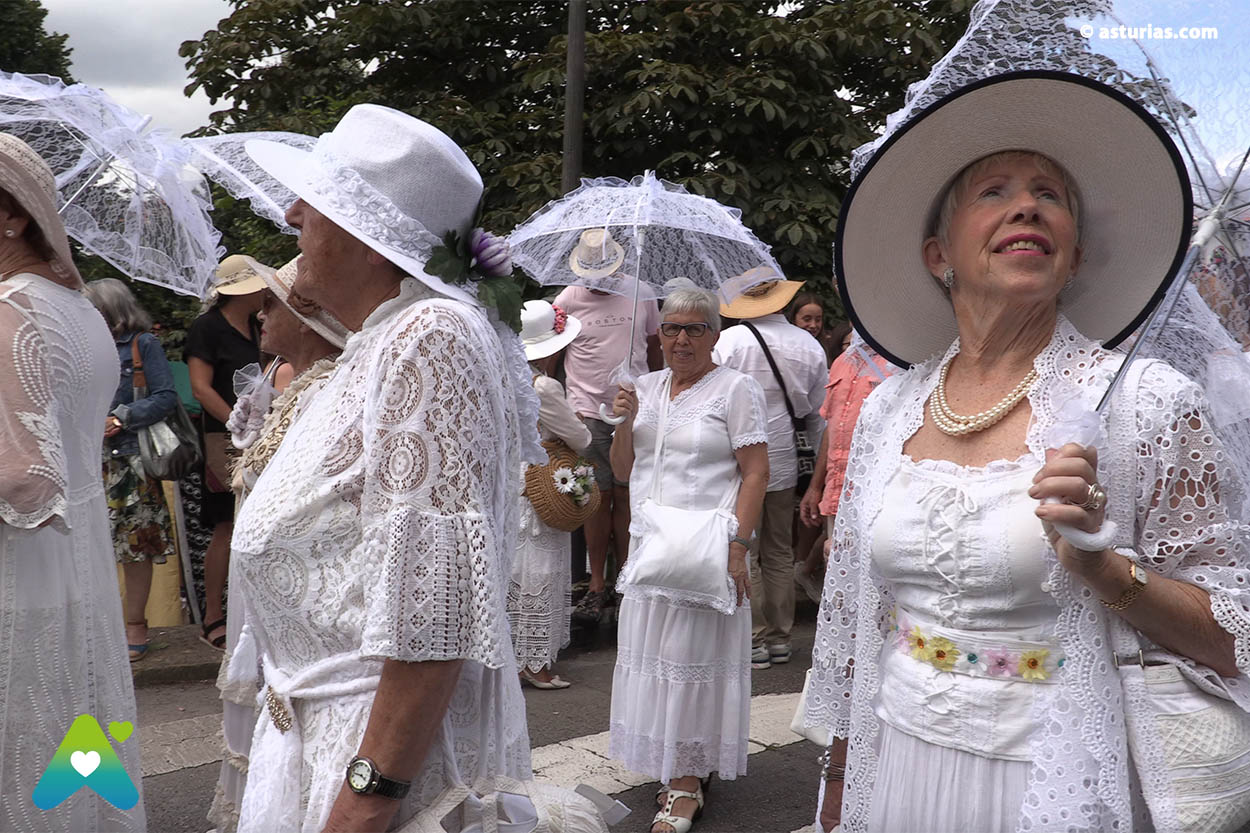
Indian Fair 2026
Another year has arrived… Read more
· San Emeterio in Pimiango, on March 3.
· Las Angustias in Villanueva, on April 22.
· Virgen del Carmen in Bustio, on July 16.
· Day of the Angels in La Franca, on August 2.
· Las Nieves in El Peral, on August 5.
· San Lorenzo in Noriega, on August 10.
· The Sacramental in Colombres, Saturday after August 15.
· San Roque in Pimiango, on August 16.
Ribadedeva Markets
Weekly market in Colombres on Thursdays.
Colombres Tourist Information Office.
Pza. Manuel Ibáñez. Tno 646 71 83 52.
Text: © Ramón Molleda for asturias.com