asturias.com
Arriondas: what to see, its old town

Arriondas: what to see, its old town

Gateway to the Picos de Europa

© asturias.com
Arriondas: what to see, its old town
  • Arriondas: what to see, its old town
  • Arriondas: what to see, its old town
  • Arriondas: what to see, its old town
  • Arriondas: what to see, its old town
  • Arriondas: what to see, its old town
  • Arriondas: what to see, its old town
  • Arriondas: what to see, its old town
  • Arriondas: what to see, its old town
  • Arriondas: what to see, its old town
  • Arriondas: what to see, its old town
  • Arriondas: what to see, its old town
  • Arriondas: what to see, its old town
  • Arriondas: what to see, its old town
  • Arriondas: what to see, its old town
  • Arriondas: what to see, its old town

The capital of the municipality of Parres is Arriondas and it's settled in the basin of river Sella, in a valley surrounded by mountains. Arriondas is a privileged enclave for lovers of outdoor activities and extreme sports.


Latitude: 43.3903923 Length: -5.1834011
Open location in Google Mapsgoole maps icon

Its proximity to the National Park of the Picos de Europa, just 18 kilometers from Cangas de Onís, its immediate proximity to the beautiful Sierra del Sueve, and the coast, just half an hour from the beaches of Ribadesella and Llanes, make it an unbeatable starting point to know the region and plan excursions. At present, Arriondas is world famous for organizing the departure of International descent of the Sella. It has a prosperous development of services and industry, the latter mainly based in the wood and furniture sector.

It limits to the north with the councils of Colunga, Caravia and Ribadesella; to the south with those of Amieva and Ponga; to the east with Cangas de Onís; and to the west with the council of Piloña.

How to get to Arriondas

Its central-eastern position on the map, about 17 kilometers from Ribadesella and the same from Piloña, to the east and west respectively, make it an obligatory stopover. via the N-634From Oviedo, you can take the A-8 to Lieres and then take the N-634, passing through the towns of Nava, Infiesto, Villamayor, and Sevares. If you're leaving Santander, take the A-8 to Ribadesella. Turn off here. In the town of Llovio, take the N-634, which takes you to Arriondas after 17 kilometers.

Distances

17 km. from Ribadesella // 8 km. from Cangas de Onís // 65 km. from Oviedo

What to see in Arriondas: old town

Arriondas, the capital of the Parres municipality and the nerve center of eastern Asturias, rises between rivers and mountains as a place where lush nature and Asturian tradition converge with serene dignity. The town, in addition to being famous for hosting the departure of the famous International descent of the Sella —that riverine and pagan festival that combines the sweat of the athlete with the cider of rosemary—, It is also the gateway to the Picos de Europa National Park, and as such, it presents a rich landscape and culture that cannot be dismissed lightly.

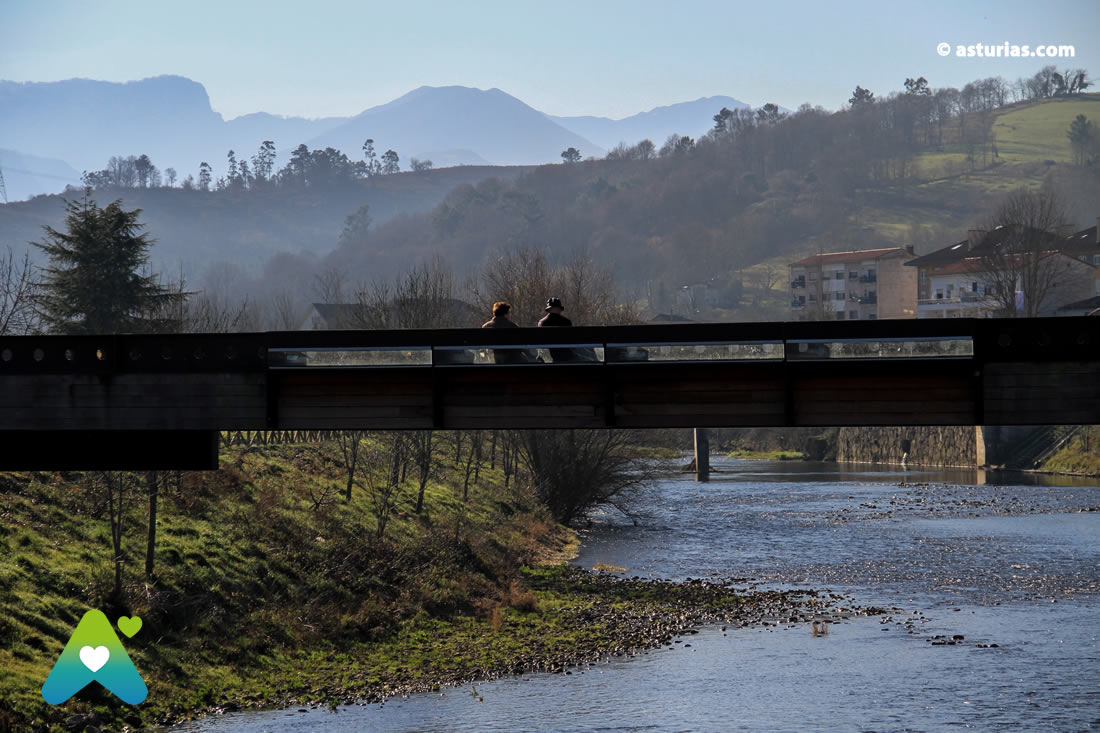
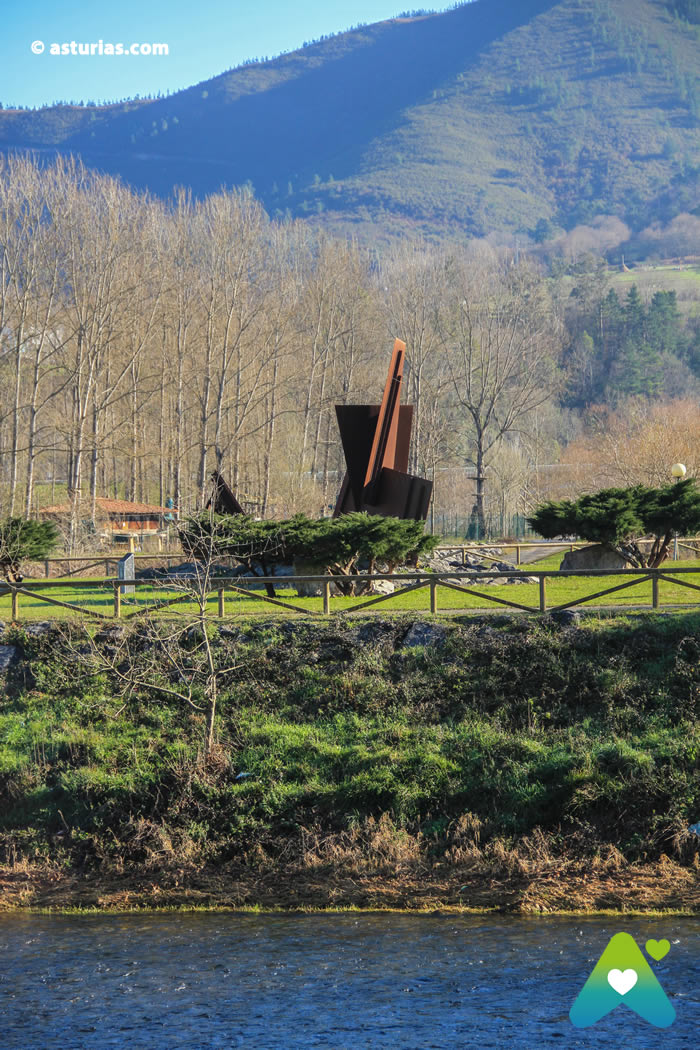
Anyone who visits Arriondas cannot miss a stroll through the banks of the Sella River, with its green areas and bridges that allow you to contemplate the harmony of the water with the mountain. In Concordia Park, where the Piloña and Sella rivers meet, has been a recreational site for locals and foreigners since 1986. It features a peculiar sculpture by the Asturian artist Joaquín Rubio Camín. From this location, the proximity of the summit of the Sueve mountain range, refuge of the Asturcón, a mythical and prehistoric horse.

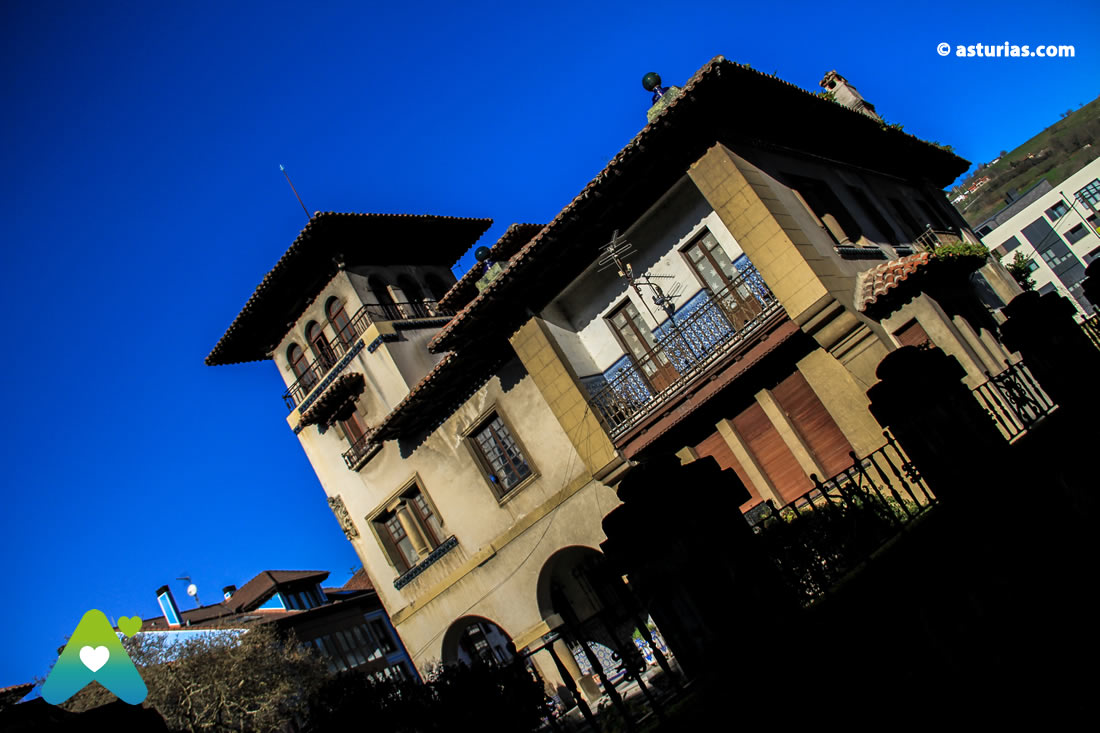
Taking a walk through the town, we can approach the church of San Martín, with its nineteenth-century air, and the old hospital, now converted into a health center, speak of a past that has not entirely vanished. And as a testimony to the Indian influence that marked Asturian architecture between the 19th and 20th centuries, the mansion of the Marchioness of Argüelles, or Villa Juanita, built high above the town, with its glass-fronted galleries, its palm-tree garden, and that American melancholy so characteristic of those who returned with fortune but without forgetting. But perhaps the most valuable aspect of Arriondas is its status as a crossroads: between the sea and the mountains, between tradition and the future, between the silence of the forest and the roar of canoes.

History of Arriondas

The oldest archaeological sites that are in the council are from the Paleolithic period.

During the low age, the manor preserves of Fuentes, Las Arriondas and Llames de Parres are established. Inside of the church of San Miguel, in Cofiñu, we will be able to observe one of the best samples of the Asturian Romanesque art, with a chronology that responds to the XII and XIII centuries and that the authors ascribe to the best Romanesque workshops of the region. The first decade of the nineteenth century was marked by the war of independence, with the destruction of the real National Factory of tin, the first known industry in the council. The arrival of the 20th century brings the railway line, definitely completing the Oviedo-Santander line. All this, together with the arrival of the capitals of the Indians, is a huge boom for the whole council.

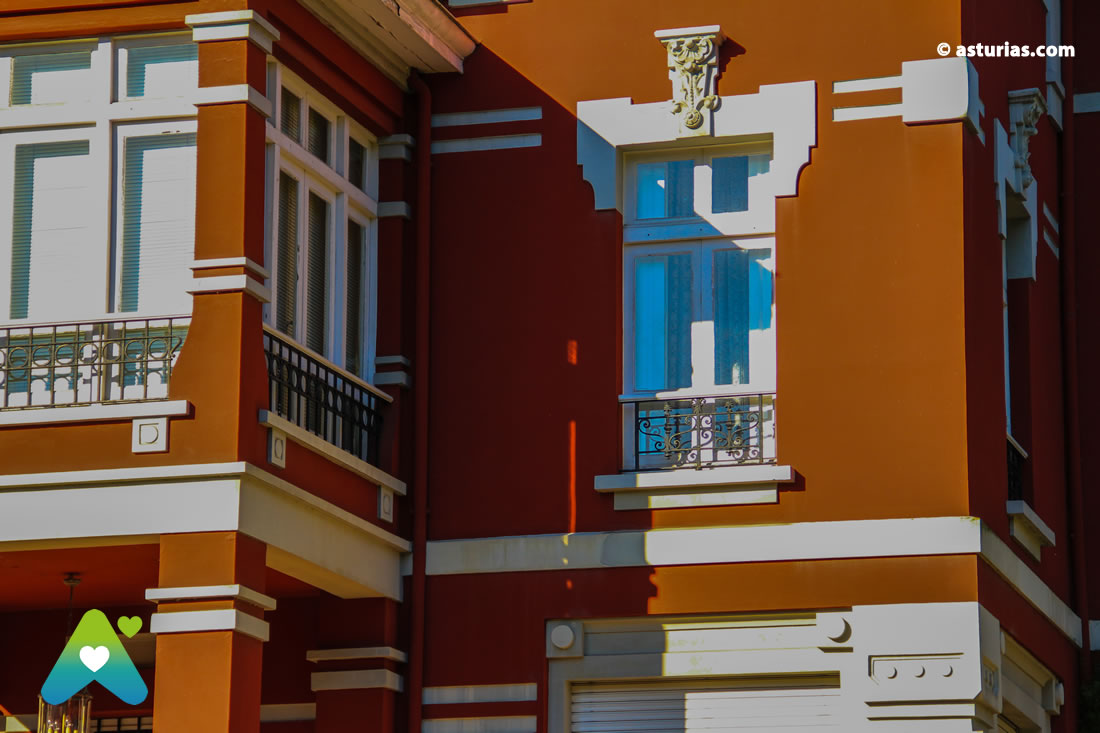
In Arriondas and Fíos are the most significant buildings of the indiana architecture. Among others, it is also worth mentioning in Arriondas: Villa de los Valle, Villa Juanita. In Fios the most remarkable is the Abarca chalet.

Parres also has an important ethnographic heritage. Picturesque towns such as Cofiñu, Llames de Parres, Arenas de Parres and San Martín de Bada, which offer important sets of popular architecture. Another interesting route through the history of the council is that of the mills concentrated in the rivers of La Pontiga, Chicu, Mampodre, Viabañu and Tresmonte.

Parres was a pioneer council also the tourist development of the Principality, mainly with the organization in 1930 of the first descent of the Sella, main party and event of the council and of Asturias.

Parties

  • Santa Rita, in Arriondas, May 22
  • El Bollu or La Peruyal, in Arriondas, last Sunday in July
  • Virgin of Carmen, in Arriondas in July
  • International Descent of the Sella River, in Arriondas, first Saturday in August
  • Ramos in Llames and Castiello, September 4
  • San Miguel in Cofiño, September 29

Markets

  • Weekly market on Saturdays, in Arriondas
  • Eastern Asturias Livestock Exhibition Competition, in Arriondas, in July
  • Chestnut Festival, in Arriondas, November
  • Useful telephone numbers

    Tourist Office: 985 84 17 12
    Hospital of Arriondas: 985 84 13 55

    Beautiful towns near Arriondas

    [1] Ribadesella is an Asturian town that combines sea and mountains with naturalness, located next to the Sella estuary and open to the Cantabrian Sea. Its appeal lies in the balance between the historic center and Santa Marina beach, flanked by Indiano mansions that speak of another time. It's a place where history—from the cave paintings of Tito Bustillo to the memory of politician Divino Argüelles, a member of parliament in Cádiz and the main architect of the 1812 Constitution—comes together with a peaceful tourism experience, linked to the landscape, architecture, and slow-paced lifestyle of the north.

    [2] Cangas de Onis, the former capital of the Kingdom of Asturias, retains a symbolic value that goes beyond its famous Roman bridge. Located between mountains and close to Covadongait's starting point to the Picos de Europa and a must-visit place for those seeking to understand the connection between history, landscape, and tradition in eastern Asturias. Without great fanfare, it offers a balanced blend of nature, heritage, and local life.

    [3] Llanes is a coastal town in eastern Asturias It has managed to maintain its character amidst growing tourism and a faithfulness to its landscape. With a well-preserved old town, a still-active port, and a coastline of beaches and cliffs that's surprisingly diverse, it offers an experience that goes beyond the picture postcard. Halfway between the nautical and the stately, Llanes is also a starting point toward a less obvious, but equally authentic, Asturias.

    The town of Llanes

    The town of Llanes

    The town of Llanes, capital of the council that bears its name, is the urban reference of an extensive territory... Read more


    Text: © Ramón Molleda for asturias.com Copyright Ramon Molleda


    Interesting near here
    See more things near here

    The most sold in our store